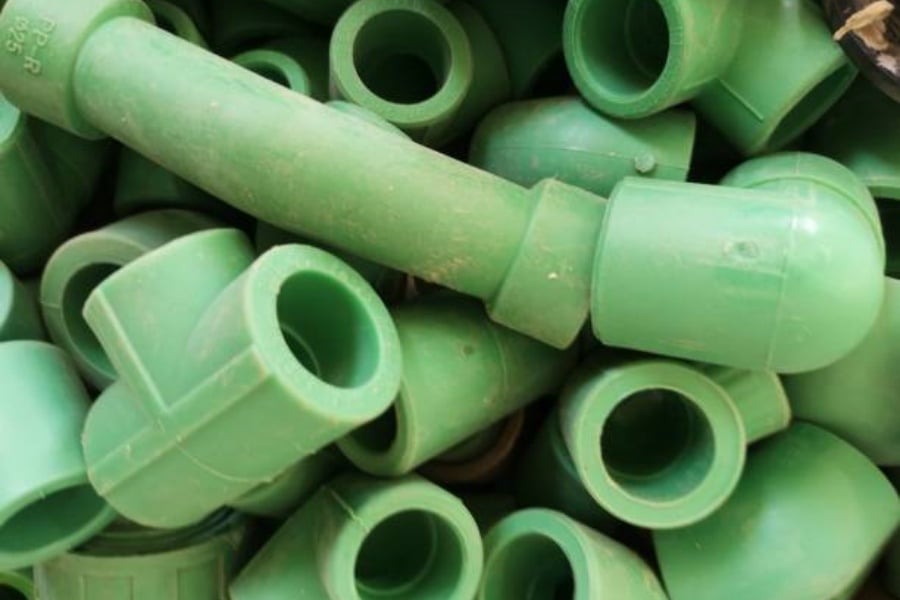
PPR pipe fitting refers to the components used to join, extend, or branch polypropylene random copolymer (PPR) pipes. These fittings are essential in plumbing systems, catering to hot and cold water supply, and industrial piping solutions. Made from durable, heat-resistant thermoplastic, PPR pipe fittings ensure reliable, leak-proof connections, making them a preferred choice in modern piping installations worldwide.
Material Advantages of PPR Pipe Fittings
PPR pipe fittings are manufactured using polypropylene random copolymer, a material known for high thermal stability, chemical resistance, and strength. This composition grants fittings superior longevity and durability compared to traditional metal or PVC options. Their non-toxic and corrosion-resistant properties also make them ideal for potable water and chemical transport systems, providing hygienic and maintenance-free performance.
Common Types of PPR Pipe Fittings
There are several types of PPR pipe fittings designed to accommodate different plumbing configurations. Among the most common are elbows, tees, couplings, reducers, and end caps. Each type plays a specific role in creating complex pipe networks, allowing directional changes, splits, or diameter adjustments. The versatility of these fittings simplifies custom plumbing installations and repair work.
Installation Techniques for PPR Pipe Fittings
Installing PPR pipe fittings typically involves fusion welding, a process that uses heat to join pipes and fittings into a single, unified system. The method requires specialized fusion machines or tools to heat the surfaces until molten, then pressing them together to form a permanent bond. This technique results in joints as strong as the pipe itself, ensuring leak-proof and durable connections without mechanical fasteners.
Thermal and Pressure Resistance in PPR Pipe Fittings
PPR pipe fittings exhibit excellent thermal resistance, capable of operating in temperature ranges from -40°C to 95°C. This allows their use in hot water systems, including central heating and solar water supply. Moreover, these fittings can withstand high pressure, commonly rated up to PN25 or PN20 (pressure nominal in bars), suitable for residential, commercial, and industrial pipelines demanding reliable performance under strain.
Advantages of Using PPR Pipe Fittings in Plumbing Systems
The use of PPR pipe fittings in plumbing offers numerous benefits, including corrosion resistance, low thermal conductivity, and smooth interior surfaces that reduce frictional pressure loss and prevent scale buildup. Their lightweight nature simplifies handling and installation, while their environmentally friendly makeup contributes to sustainable building practices. Furthermore, PPR fittings are cost-effective over their lifecycle due to minimal maintenance and replacement needs.
Applications of PPR Pipe Fittings Across Industries
PPR pipe fittings find applications in diverse sectors such as residential plumbing, heating and cooling systems, chemical processing pipelines, and agricultural irrigation. Their chemical inertness allows safe transport of aggressive fluids and gases, while their robustness suits them for long-term use in infrastructure projects. The fittings’ adaptability to various pipe diameters supports custom configurations in complex industrial setups.
Environmental Impact and Sustainability of PPR Pipe Fittings
PPR pipe fittings contribute positively to sustainability efforts as they are 100% recyclable and require less energy for production compared to metal fittings. Their extended lifespan reduces waste accumulation and replacement frequency. Additionally, the non-toxic nature of the material ensures minimal environmental contamination in case of accidental damage, aligning with green building standards and eco-friendly construction initiatives.
Common Challenges and Solutions in PPR Pipe Fitting Usage
Despite their advantages, PPR pipe fittings face challenges such as improper installation leading to joint failure or compatibility issues with other pipe materials. Addressing these requires adherence to recommended fusion welding techniques and using certified fittings designed specifically for PPR pipes. Regular quality inspections and training can minimize risks, ensuring long-term system integrity and preventing costly repairs.
Future Trends in PPR Pipe Fitting Technology
Innovation in PPR pipe fitting technology is focused on enhancing material formulation for increased heat and chemical resistance, integrating antimicrobial additives, and developing modular fittings for quicker installation. Advancements in fusion welding equipment also improve precision and efficiency. These trends signal a robust future for PPR pipe fittings as sustainable, high-performance components in modern plumbing and industrial piping networks.
Quote Inquiry
contact us