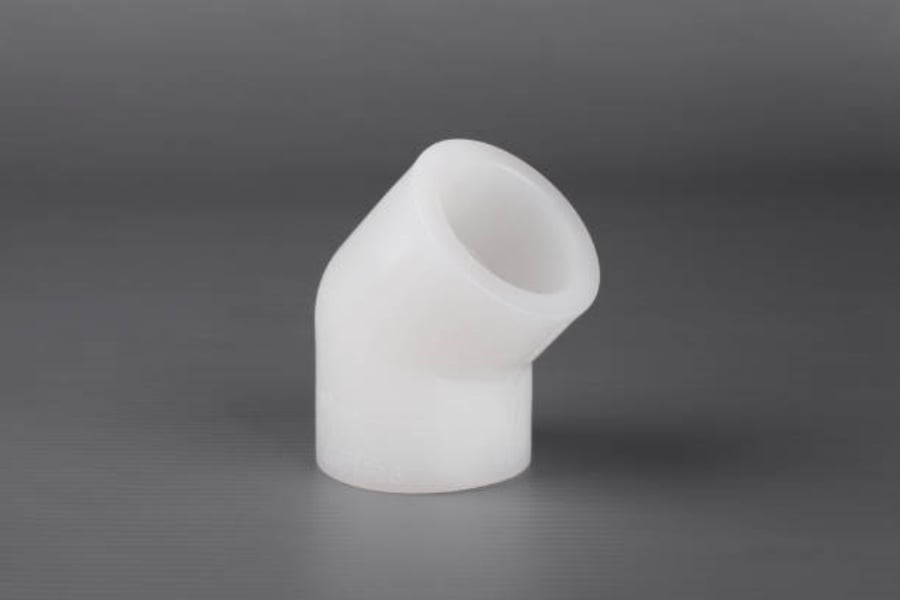

1. Understanding High pressure PPR pipe: Definition and Basics
High pressure PPR pipe refers to polypropylene random copolymer piping specifically engineered to withstand elevated pressure levels, often used in industrial, commercial, and residential applications. These pipes provide excellent resistance to pressure and temperature fluctuations, making them ideal for hot and cold water supply systems. The molecular structure of PPR enhances durability, chemical resistance, and flexibility, setting it apart from traditional piping materials such as PVC and metal. 2. Material Composition and Manufacturing Process
High pressure PPR pipes are produced using polypropylene random copolymers, which ensure exceptional mechanical strength and longevity. During manufacturing, raw PPR granules are melted and extruded into precise pipe dimensions under stringent quality controls. Advanced manufacturing techniques guarantee pressure ratings up to PN25 (25 bar), distinguishing high pressure PPR pipes from standard-grade pipes. This process results in smooth inner surfaces that reduce friction loss and enhance system efficiency. 3. Key Applications of High Pressure PPR Pipe in Plumbing Systems
These pipes are highly favored in plumbing systems that demand reliability under high pressure, such as hot water distribution, industrial fluid transport, and compressed air systems. The heat resistance of high pressure PPR pipe allows it to perform seamlessly in heating installations and central heating circuits. Its non-corrosive nature is particularly beneficial for potable water supply, ensuring safety and hygiene. 4. Advantages Over Traditional Piping Materials
Compared to metal pipes, high pressure PPR pipe offers superior corrosion resistance and eliminates issues like scaling and rust build-up, extending its service life significantly. It is lighter than metal and PVC pipes, simplifying transportation and installation. Furthermore, its seamless fusion welding technique creates leak-proof joints, minimizing maintenance costs and increasing system reliability. 5. Pressure and Temperature Ratings Explained
High pressure PPR pipes commonly support pressure ratings from PN16 to PN25 and can withstand temperatures up to 95°C, making them suitable for diverse environments. These characteristics allow them to endure conditions where other plastics might fail. The pipe's ability to maintain integrity under such stress makes it an excellent choice for demanding industrial or domestic applications. 6. Installation Techniques for High Pressure PPR Pipe
Proper installation is critical for optimizing the durability and performance of high pressure PPR pipe systems. Fusion welding using hot tools is the industry standard, creating homogenous joints that mirror the pipe’s strength. This technique requires precision and trained personnel but offers excellent leak-proofing. Additionally, mechanical fittings designed for high pressure pipes ensure versatile system configurations. 7. Environmental Benefits and Sustainability Aspects
High pressure PPR pipes are environmentally friendly due to their long service life and recyclability. The production process is energy-efficient compared to metal pipes, and the material itself is free from toxic substances, making it safer for ecosystems. Recycled PPR content is increasingly incorporated into manufacturing, reducing raw material consumption and environmental impact. 8. Longevity and Maintenance Considerations
High pressure PPR pipe systems typically have a lifespan exceeding 50 years under optimal conditions. Their resistance to chemical and biological corrosion means fewer repairs and lower maintenance costs over time. Periodic inspections and adherence to correct installation standards are sufficient to ensure continued optimal operation, highlighting the durability advantage of these pipes. 9. Cost-Effectiveness and Economic Impact
While the upfront cost of high pressure PPR pipe may be higher than some traditional materials, the long-term savings on maintenance, replacements, and energy efficiency make it an economically viable option. Reduced labor time due to lightweight and easy jointing methods further lowers installation costs. This balance of initial investment and durability yields strong returns over the pipe’s lifecycle. 10. Emerging Trends and Innovations in High Pressure PPR Pipe Technology
Recent advancements include enhanced formulations that push pressure and temperature limits even further, broadening the application spectrum. Integration of antimicrobial additives and improved UV resistance expand outdoor usability. Additionally, smart piping systems with embedded sensors for leak detection are becoming compatible with high pressure PPR pipes, signaling a future of intelligent fluid management.