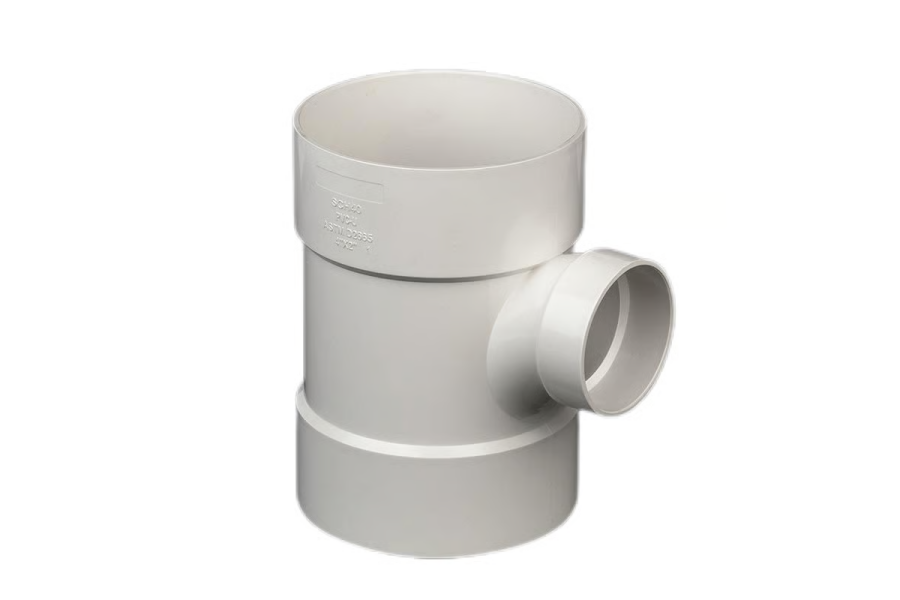
UPVC DWV reducing tees are specialized plumbing fittings used in drainage, waste, and vent (DWV) systems to connect pipes of different diameters. Constructed from unplasticized polyvinyl chloride (UPVC), these tees facilitate directional flow changes while maintaining system integrity. The “reducing” aspect refers to the ability to connect a larger pipe to a smaller one seamlessly, making them essential in adapting varying pipe sizes in complex plumbing layouts.
Material Advantages: Why UPVC is Ideal for DWV Reducing Tees
UPVC offers several benefits that make it the preferred material for DWV reducing tees. It is resistant to chemical corrosion, durable under harsh weather conditions, and lightweight for easy handling and installation. Additionally, UPVC is non-toxic and environmentally friendly, providing long-lasting performance with minimal maintenance requirements. These properties ensure that the DWV systems using UPVC reducing tees remain leak-proof and reliable over extended periods.
Design Features of UPVC DWV Reducing Tee
The design of UPVC DWV reducing tees incorporates a T-shaped configuration with one inlet and two outlets or vice versa, tailored to allow changes in pipe diameter. The reducing segment typically fits smaller pipes securely to facilitate smooth transitions in flow volume and pressure. The fitting ends often include socket-type joints prepared for solvent welding, enhancing sealing and structural integrity in plumbing systems.
Common Applications in Residential Plumbing Systems
In residential construction, UPVC DWV reducing tees are widely employed in bathroom and kitchen drainage systems. They connect various-sized drainpipes from sinks, toilets, and showers to a main waste pipe efficiently, ensuring proper venting and waste disposal. These tees also enable designers to integrate appliances and fixtures of different pipe sizes into the overall drainage layout without compromising flow efficacy.
Use in Commercial and Industrial DWV Installations
Beyond residential use, UPVC DWV reducing tees are crucial in commercial and industrial plumbing systems, where multiple pipe diameters are common. They support complex network systems for waste removal and air ventilation, often handling higher volumes of flow and waste material. Their robust construction helps maintain system longevity despite continuous exposure to aggressive waste substances and large flow variations.
Installation Techniques for UPVC DWV Reducing Tee
Proper installation of UPVC DWV reducing tees is critical for ensuring leak-proof connections. The most common method involves solvent cement welding, which chemically bonds the tee to the mating pipes. Clean, deburr, and dry the pipe ends and fittings before applying the solvent to avoid weak joints. Additionally, alignment and support during curing prevent misfits and future leaks in the DWV system.
Maintenance and Longevity Expectations
UPVC DWV reducing tees generally require minimal maintenance due to their corrosion resistance and solid chemical composition. Routine inspection of joints and supports ensures continued performance by detecting any early signs of wear or damage. With appropriate installation and maintenance, these fittings can last decades, outperforming traditional metal fittings prone to rust and breakdown.
Compatibility of UPVC DWV Reducing Tee with Other Plumbing Components
These reducing tees are compatible with a wide range of UPVC pipe sizes and other DWV system accessories, including couplings, elbows, and traps. This compatibility allows for versatile use in plumbing layouts, enabling seamless integration of multiple components. It is important to select tees that match the system’s pressure and flow requirements to prevent mismatched parts that could compromise the plumbing’s efficiency.
Environmental Benefits of Using UPVC DWV Reducing Tee
UPVC DWV reducing tees contribute significantly to sustainable building practices. UPVC is recyclable, and its lightweight nature reduces transportation energy costs. The durability of UPVC fittings means fewer replacements and less material waste over time. Additionally, the chemical resistance of these tees prevents leakage that could contaminate soil and groundwater, promoting safer water and waste management.
Factors to Consider When Choosing UPVC DWV Reducing Tee
When selecting a UPVC DWV reducing tee, several factors should be considered: pipe diameters, pressure ratings, temperature tolerance, flow requirements, and regulatory compliance. It is critical to ensure the fitting is rated for the specific size reduction needed and the environment it will serve. Quality certification and manufacturer specifications help guarantee the fitting’s reliability in meeting plumbing codes and standards.
Quote Inquiry
contact us