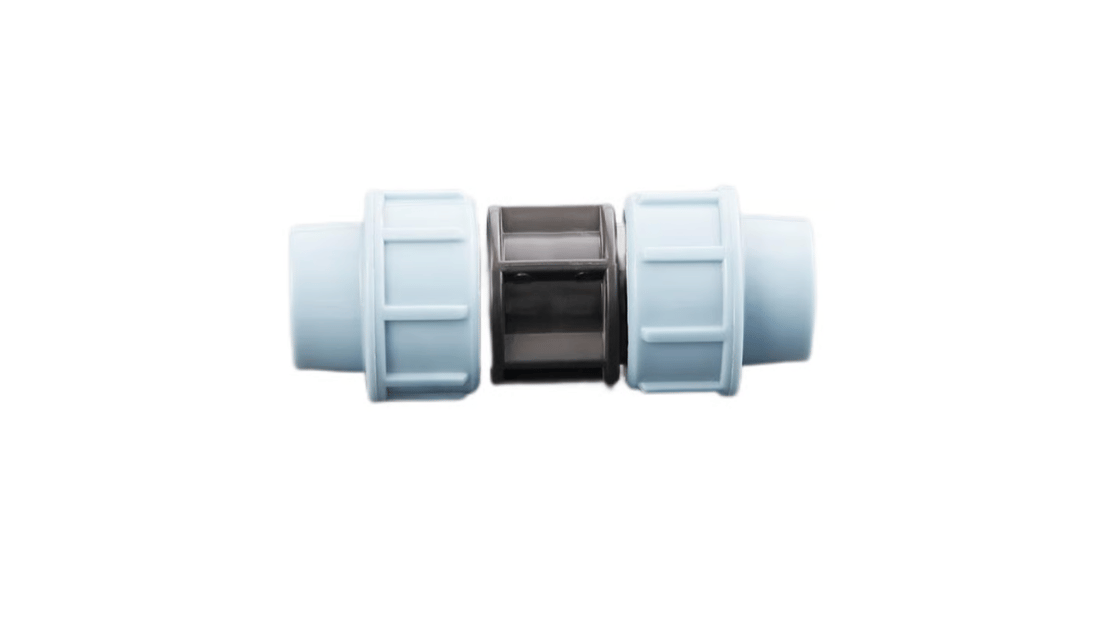
Introduction to PP Coupling and Its Significance
PP Coupling, short for polypropylene coupling, refers to the process or system that connects polypropylene components or materials in various industrial applications. Its significance lies in the versatility and durability of polypropylene as a thermoplastic polymer, widely used in manufacturing, automotive, piping, and packaging industries. Understanding PP Coupling is essential for optimizing product performance and ensuring longevity across diverse sectors.
Material Properties That Influence PP Coupling
Polypropylene's unique properties, including chemical resistance, low density, and high impact strength, make PP Coupling a preferred choice in many applications. These material characteristics directly impact the coupling’s efficiency by providing resistance to corrosion, flexibility under stress, and compatibility with other polymers or materials. Engineers utilize PP Coupling to leverage these advantages to create durable and lightweight connections.
Types of PP Coupling Techniques
Multiple techniques are employed for PP Coupling, such as mechanical fastening, chemical bonding, and thermal welding. Each method has distinct benefits depending on the application requirements. Mechanical fastening offers ease of assembly and disassembly, chemical bonding ensures a permanent seal, while thermal welding provides uniform strength by melting and fusing polypropylene surfaces. Selecting the optimal method enhances performance reliability.
Applications of PP Coupling in Industrial Piping Systems
One of the prominent uses of PP Coupling is in piping systems, especially in chemical processing and water treatment plants. Polypropylene’s resistance to acids and alkalis makes it ideal for coupling pipes transporting hazardous substances. PP Coupling systems ensure leak-proof joints, reduce maintenance costs, and comply with environmental safety standards, demonstrating their critical role in industrial infrastructure.
PP Coupling in Automotive Industry: Lightweight and Durable Solutions
In the automotive sector, PP Coupling is widely applied due to polypropylene’s lightweight and impact-resistant properties. Components such as fuel lines, air intake systems, and interior assemblies often utilize PP Coupling to enhance fuel efficiency and durability. This coupling method helps manufacturers meet stringent regulatory requirements while ensuring cost-effective production.
Environmental Benefits of Using PP Coupling
PP Coupling contributes to environmental sustainability through recyclability and reduced material waste. Polypropylene is a recyclable polymer, and coupling methods like thermal welding produce minimal offcuts, optimizing resource use. Additionally, the long service life of PP Coupling connections reduces the frequency of replacements, ultimately minimizing environmental impact and supporting green manufacturing practices.
Challenges in PP Coupling and How to Overcome Them
Despite its advantages, PP Coupling presents challenges such as sensitivity to UV degradation and thermal expansion issues. Selecting UV-stabilized polypropylene grades or incorporating additives can mitigate weathering effects. Proper design allowances and assembly techniques accommodate thermal expansion, ensuring reliable joints. Addressing these challenges maintains the integrity and functionality of PP Coupling systems.
Advancements in PP Coupling Technologies
Recent innovations include enhanced thermal welding equipment, improved adhesives for chemical bonding, and the development of hybrid coupling systems combining mechanical and chemical techniques. These advancements increase the efficiency, strength, and versatility of PP Coupling, expanding its use into more demanding industrial applications that require higher performance and precision.
Cost Efficiency and Economic Considerations of PP Coupling
PP Coupling offers notable cost advantages due to polypropylene’s low raw material cost, ease of installation, and reduced maintenance needs. Compared to metal couplings, PP Coupling reduces labor and energy expenses, making it attractive for large-scale projects. Additionally, long-term durability lessens the risk of downtime and repairs, providing financial benefits to end-users and manufacturers alike.
Future Trends and Potential Developments in PP Coupling
The future of PP Coupling points toward smart coupling systems integrated with sensors for monitoring structural health, enabling predictive maintenance. Biopolymer-based polypropylene variants may also emerge to further improve environmental sustainability. Expanding the use of automation in PP Coupling fabrication and installation promises higher precision and efficiency, catering to evolving industrial demands.
Quote Inquiry
contact us