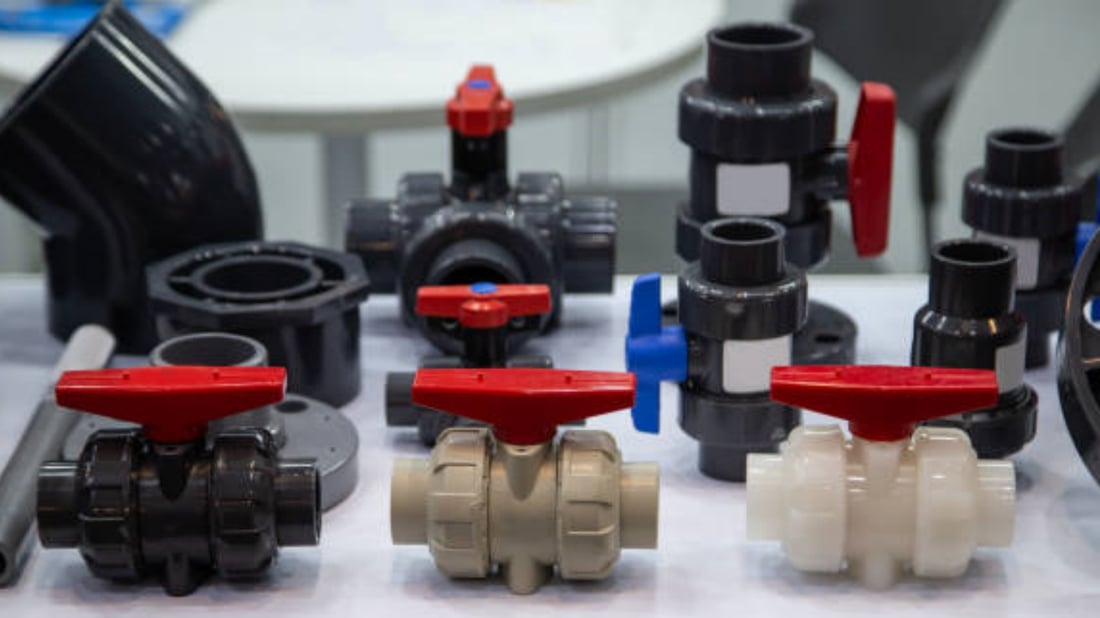
A double union ball valve is a specialized type of valve used to regulate the flow of liquids or gases in pipelines. Characterized by two union connections, this valve provides easy installation and removal without disturbing the system’s piping. This design feature makes it highly desirable in industrial applications where frequent maintenance or replacement is needed. The valve operates with a spherical ball containing a hole that, when aligned with the pipeline, allows flow and when turned perpendicular, stops the flow.
Design and Construction of Double Union Ball Valves
The construction of a double union ball valve typically involves high-quality materials such as stainless steel, brass, or carbon steel. The valve includes unions at both ends, which are threaded fittings allowing quick disconnection from the pipeline. This design minimizes installation time and reduces the risk of leaks. Additionally, the internal ball is precisely machined to create a tight seal, and durable seats made from materials like PTFE ensure long-term leak-proof operation.
Advantages Over Other Valve Types
Compared to other valve types, the double union ball valve stands out due to its ease of maintenance and installation. The union connections allow the valve to be removed without dismantling the pipeline, saving labor and downtime. Additionally, the ball valve’s straightforward operation—typically a quarter-turn mechanism—provides fast and reliable isolation of flow. These attributes make double union ball valves more cost-efficient and convenient than gate or globe valves in many industrial contexts.
Applications in Industrial Settings
Double union ball valves are widely used in various industries including oil and gas, chemical processing, water treatment, and HVAC systems. Their robust sealing and ease of maintenance make them ideal for handling corrosive or high-pressure fluids. These valves are especially useful in pipelines requiring regular inspection or periodic replacement. The union ends facilitate quick valve replacement without interrupting the entire system, making them invaluable in critical process control environments.
Sealing Technology and Leak Prevention
One of the critical features of a double union ball valve is its reliable sealing capability. The valve’s seats, often made from PTFE or reinforced polymers, tightly seal the ball to prevent fluid leakage. Additionally, the double union joints provide secure connections with minimal risk of leaks at the installation points. This reliability is essential for systems handling hazardous or expensive fluids, where leaks could lead to safety hazards or significant financial losses.
Material Selection and Corrosion Resistance
Choosing the right material for a double union ball valve is vital, as it directly affects durability and chemical compatibility. Stainless steel variants offer excellent corrosion resistance, making them suitable for aggressive fluids and outdoor applications. Brass and carbon steel options are preferred for water and moderate temperature uses. Advances in coatings and alloy treatments also extend the valve’s service life, enhancing performance under harsh operating conditions.
Size Range and Pressure Ratings
Double union ball valves come in a broad range of sizes, from small diameter valves for residential use to large industrial sizes exceeding several inches in diameter. Pressure ratings also vary, with industrial-grade valves commonly rated for pressures up to several hundred bars. This diversity enables engineers to select a valve that meets precise flow requirements, pressure constraints, and operational conditions, ensuring optimal performance and safety.
Installation and Maintenance Practices
The distinct double union design significantly simplifies installation and maintenance procedures. Technicians can detach the valve by unscrewing the unions, allowing them to inspect, clean, or replace the valve without disturbing the adjoining pipework. Maintenance routines often include checking seal integrity, lubricating moving parts, and verifying valve operation. Proper installation ensures alignment of the unions, preventing stress on the valve body and guaranteeing leak-free performance.
Cost Efficiency and Lifecycle Considerations
While double union ball valves might carry a higher upfront cost than simpler valve types, their long-term value comes from reduced labor time and maintenance expenses. The ease of disassembly translates to less downtime in industrial operations, directly influencing profitability. Moreover, the durability and reliability of these valves contribute to a longer operational lifespan, making them a cost-effective investment over the lifecycle of a facility’s piping system.
Future Trends and Innovations
Recent innovations in double union ball valve technology include the use of advanced materials like reinforced polymers and composite coatings to boost chemical resistance and wear performance. Industry 4.0 applications are also introducing smart sensors integrated into valve systems to monitor flow rates, temperature, and valve position in real-time. These advancements aim to increase operational efficiency, ensure safety, and enable predictive maintenance, further solidifying the role of double union ball valves in modern industrial systems.
Quote Inquiry
contact us