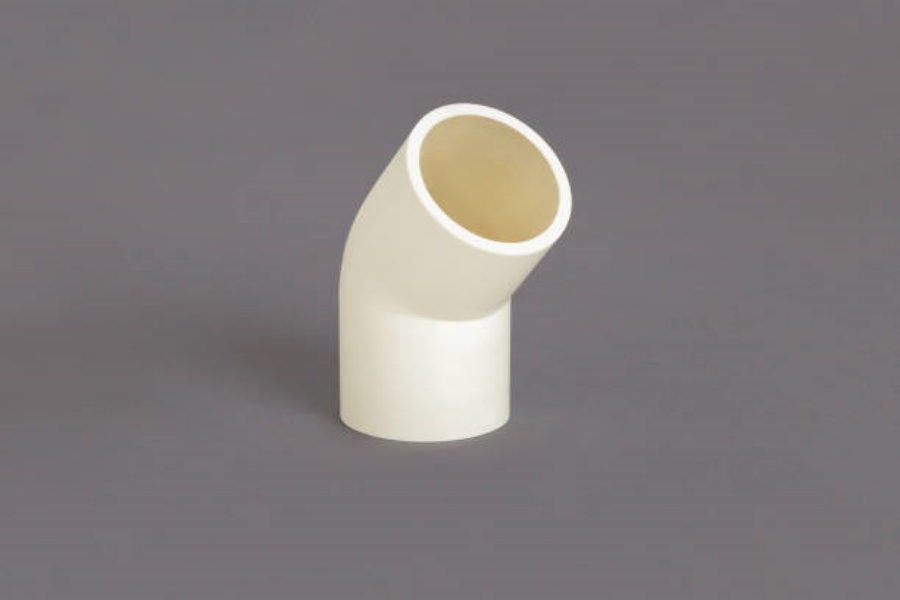
Understanding CPVC SCH80 Elbow and Its Role in Piping
CPVC SCH80 elbows are specialized fittings designed to facilitate directional changes in piping systems. Made from chlorinated polyvinyl chloride, these elbows offer enhanced temperature and pressure resistance compared to standard PVC. Their Schedule 80 (SCH80) designation denotes a thicker wall, making them ideal for high-stress plumbing applications. Proper
CPVC SCH80 Elbow Installation ensures system integrity and longevity in residential, commercial, and industrial piping networks.
Material Properties of CPVC SCH80 That Influence Installation
The physical and chemical properties of CPVC SCH80 significantly impact installation protocols. This thermoplastic material delivers excellent corrosion resistance and tolerates temperatures up to 200°F (93°C). During installation, installers must consider the material’s thermal expansion and brittleness under cold conditions. The SCH80 classification, with its thicker walls, also requires precise solvent cement application to guarantee a leak-tight seal at joints.
Preparation: Ensuring a Clean and Properly Sized Work Area
Effective CPVC SCH80 elbow installation begins with thorough site preparation. This involves cleaning the pipe ends and the elbow itself with appropriate cleaning agents and removing any burrs or debris. Accurate measurement and pipe cutting to the correct length are crucial, considering the elbow’s radius and connection points. Prepping in a controlled environment reduces contamination and improves solvent cement adhesion.
Tools and Materials Essential for CPVC SCH80 Elbow Installation
The installation process demands specific tools and materials for optimal results. Commonly used tools include pipe cutters, deburring tools, and measuring tapes. Additionally, a CPVC-approved primer and solvent cement, gloves, and occasionally heat guns or pipe reamers may be required. Selecting high-quality solvent cement certified for SCH80 fittings ensures compatibility with both pipe and elbow materials, enabling a secure and durable bond.
Step-by-Step Solvent Welding Process for a Secure Joint
The core technique for CPVC SCH80 elbow installation is solvent welding. This method involves applying primer to both the pipe end and elbow socket, followed by an immediate coat of solvent cement. The pipe is then inserted into the elbow, with a slight twisting motion to evenly spread the cement. Holding the joint for several seconds prevents movement during curing. Understanding this sequence is paramount for preventing leaks and joint failure.
Common Mistakes to Avoid During Installation
Avoidable errors can compromise CPVC SCH80 elbow installation quality. These include insufficient cleaning, skipping the primer step, or applying excessive solvent cement leading to weak joints. Additionally, incorrect pipe insertion depth or misalignment may cause stress points, accelerating wear and potential leaks. Proper training and adherence to manufacturer guidelines mitigate these risks, ensuring a successful assembly.
Testing and Inspection Post Installation
Post-installation testing is critical to verify the integrity of CPVC SCH80 elbow joints. Typically, pressure testing with water or air is conducted according to relevant plumbing codes. Visual inspection checks for cement squeezes and uniform joint coverage. Promptly addressing any leaks or weak points detected during testing prevents costly repairs and enhances system reliability.
Temperature and Pressure Considerations for Installed Elbows
CPVC SCH80 elbows are designed to operate under specific temperature and pressure limits. Installation must consider the maximum allowable working pressure and ambient conditions. Exceeding these limits can cause joint degradation or failure. Proper installation paired with appropriate system design ensures elbows perform effectively in hot water systems and industrial applications.
Maintenance Tips to Prolong CPVC SCH80 Elbow Service Life
Maintaining installed CPVC SCH80 elbows involves routine inspections for leaks, joint integrity, and signs of chemical exposure. Avoiding mechanical stress such as undue pipe bending near elbows prevents cracking. Keeping solvent cement residuals clean and replacing damaged fittings promptly extends system functionality. Proactive maintenance safeguards both safety and plumbing efficiency.
Environmental and Safety Guidelines During Installation
CPVC SCH80 elbow installation requires adherence to environmental and safety standards. Proper ventilation is necessary when working with solvent cements and primers due to volatile organic compounds. Wearing gloves and eye protection prevents chemical exposure. Additionally, disposing of unused materials responsibly ensures compliance with environmental regulations and promotes a safe work environment.
Quote Inquiry
contact us