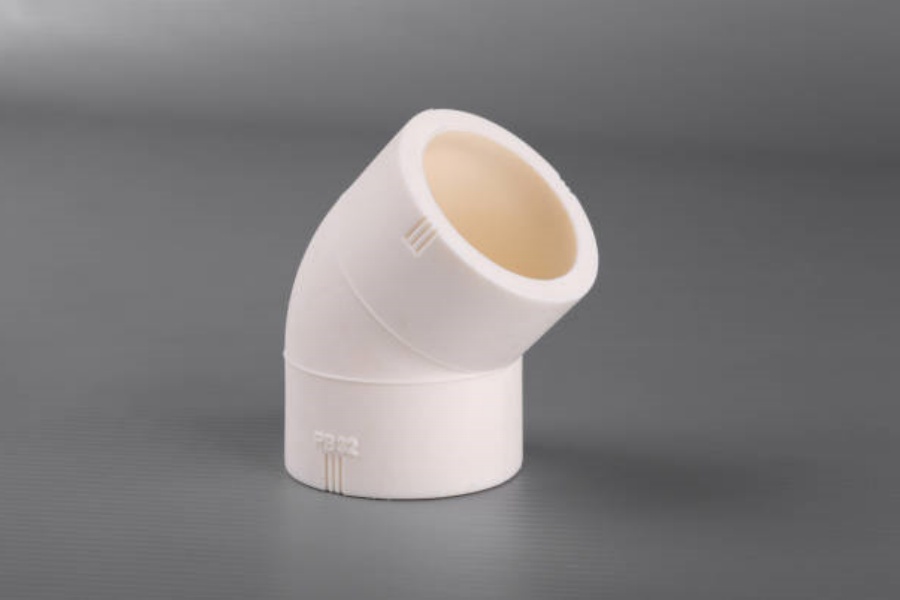
A 45Deg equal elbow pipe fitting is a crucial component in piping systems used to change the direction of fluid flow by 45 degrees. Unlike standard elbow fittings that often measure 90 degrees, the 45-degree angle allows for a smoother transition in pipe orientation. Equal elbow refers to the uniform diameter throughout the fitting, ensuring consistent flow dynamics and pressure balance within the system. This design makes it ideal for applications requiring directional changes without compromising pipe diameter or causing excessive turbulence.
Materials Used in Manufacturing 45Deg Equal Elbow Pipe Fitting
These fittings are manufactured from a variety of materials tailored to suit different industries and fluid types. Common materials include stainless steel, carbon steel, copper, PVC, and brass. Stainless steel provides corrosion resistance and durability for high-pressure systems, while PVC and CPVC are lightweight options used in chemical or water piping systems. The choice of material affects the fitting's performance, temperature tolerance, and lifespan.
Applications Across Various Industries
45Deg equal elbow pipe fittings are extensively used in oil and gas, water treatment, chemical processing, HVAC, and industrial plumbing. In oil and gas pipelines, they facilitate smooth fluid redirection with minimal pressure drop, essential for efficient transport. In HVAC systems, these elbows help navigate ducts in confined spaces without sharp turns, enhancing airflow. Their versatility makes them indispensable across diverse sectors.
Advantages Over Other Elbow Fittings
Compared to 90-degree elbows, the 45-degree equal elbows provide a more gradual change in flow direction, reducing friction and turbulence within the piping. This attribute lowers pressure losses and prevents premature wear on the piping system. The equal diameter further ensures uniform flow velocity, which is critical in sensitive systems. These benefits make 45Deg equal elbows preferable when design considerations prioritize efficiency and longevity.
Installation and Maintenance Considerations
Installing a 45Deg equal elbow pipe fitting requires attention to precise angle alignment and secure joint connections, typically achieved through welding, threading, or solvent cement for plastic variants. Proper installation reduces the risk of leaks and structural failures. Routine maintenance involves inspecting for corrosion, cracks, or joint looseness, especially in high-pressure settings. Timely replacement or repair ensures optimal system performance and safety.
Design Standards and Specifications
Manufacturers produce 45Deg equal elbow pipe fittings in adherence to international standards such as ANSI, ASME, ASTM, and ISO. These standards dictate dimensions, pressure ratings, and material properties to guarantee compatibility and safety in system designs. Compliance with these specifications ensures reliability and helps engineers select the appropriate fitting based on system requirements and regulatory frameworks.
Customizations and Size Variations
45Deg equal elbow pipe fittings come in various sizes ranging from small-diameter pipes used in residential plumbing to large-diameter industrial pipelines. Custom fittings can be manufactured to fit unique operational environments or specialized systems. Surface finishes such as galvanization or polishing are also available, enhancing corrosion resistance or aesthetic appeal depending on the application.
Performance Impact on Fluid Dynamics
The 45-degree angle of the elbow fitting influences fluid flow characteristics by minimizing sharp turns that generally cause turbulence and pressure drops. This smoother directional change results in improved flow efficiency, reduced noise, and less mechanical stress on piping systems. Engineers often specify 45Deg equal elbows in systems where fluid velocity and energy conservation are critical factors.
Cost and Economic Considerations
While 45Deg equal elbow pipe fittings may have a higher initial cost compared to standard 90-degree elbows due to manufacturing complexity and material usage, their long-term benefits can offset these expenses. Reductions in energy loss, maintenance demands, and system wear translate into operational cost savings. Additionally, the availability of various materials allows buyers to balance cost with performance needs effectively.
Future Trends and Innovations
Advancements in material sciences and manufacturing techniques are driving innovations in 45Deg equal elbow pipe fittings. The use of composite materials, 3D printing, and improved corrosion-resistant coatings are expanding their functionality and durability. Sustainable manufacturing and smart fittings integrated with sensors for condition monitoring further represent future directions in enhancing pipeline efficiency and safety.
Quote Inquiry
contact us